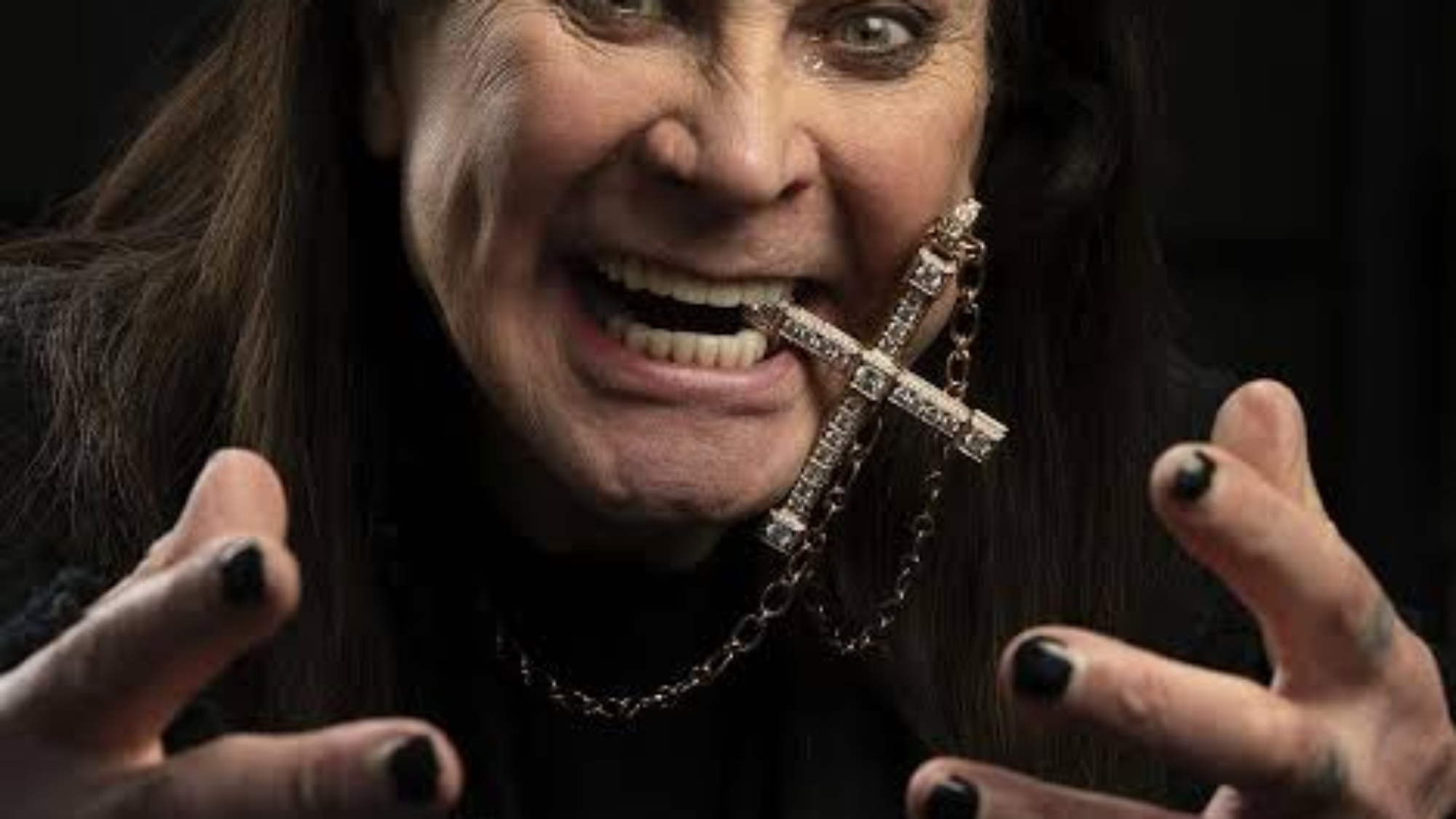
Ozzy Osbourne is gone.
A silence now echoes where once there was thunder. The man who turned screams into symphonies and nightmares into anthems has taken his final bow.
Born John Michael Osbourne in the heart of Birmingham, he was never meant to blend in. His voice—raw, tortured, prophetic—pierced through the static of the 70s and defined a new sound. With Black Sabbath, he gave birth to heavy metal. With his solo career, he gave it wings. And through every controversy, every stumble, every resurrection, Ozzy never stopped being Ozzy.
He wasn’t just the Prince of Darkness. He was its poet.
For over five decades, he howled not just for himself but for all of us who felt too strange, too broken, too alive to be ordinary. His lyrics weren’t just lyrics. They were war cries, lullabies, prophecies. “I’m going off the rails on a crazy train” became an anthem not of madness, but of freedom.
And yet, behind the stage persona, there was a man. A husband. A father. A grandfather. A soul tired from pain but never empty of love. Parkinson’s disease may have ravaged his body, but it never touched his spirit.
In his final performance seated, trembling, but still defiant he gave us one last glimpse of what immortality looks like: not a man untouched by time, but one who endures it. His final words on stage weren’t shouted they were shared. Like secrets between old friends. A nod. A bow. A thank you. A goodbye.
Ozzy Osbourne didn’t just die.
He departed, like a comet leaving behind fire in the sky and ringing in our ears.
The world lost a legend.
We lost a voice.
But legends don’t really die, do they?
They echo.
And in every distorted guitar riff, in every scream that becomes a melody, in every outsider who dares to speak their truth through music we’ll hear him.
Goodnight, Ozzy.
And thank you… for the madness.
kali kali mera